Crypto Wallets Explained: Hot, Cold, Custodial and Self-Custody
Be1Crypto.com guide: A crypto wallet does not hold coins. It holds the keys that move them. Once that clicks, choosing between hot, cold, custodial and self-custody gets much simpler.
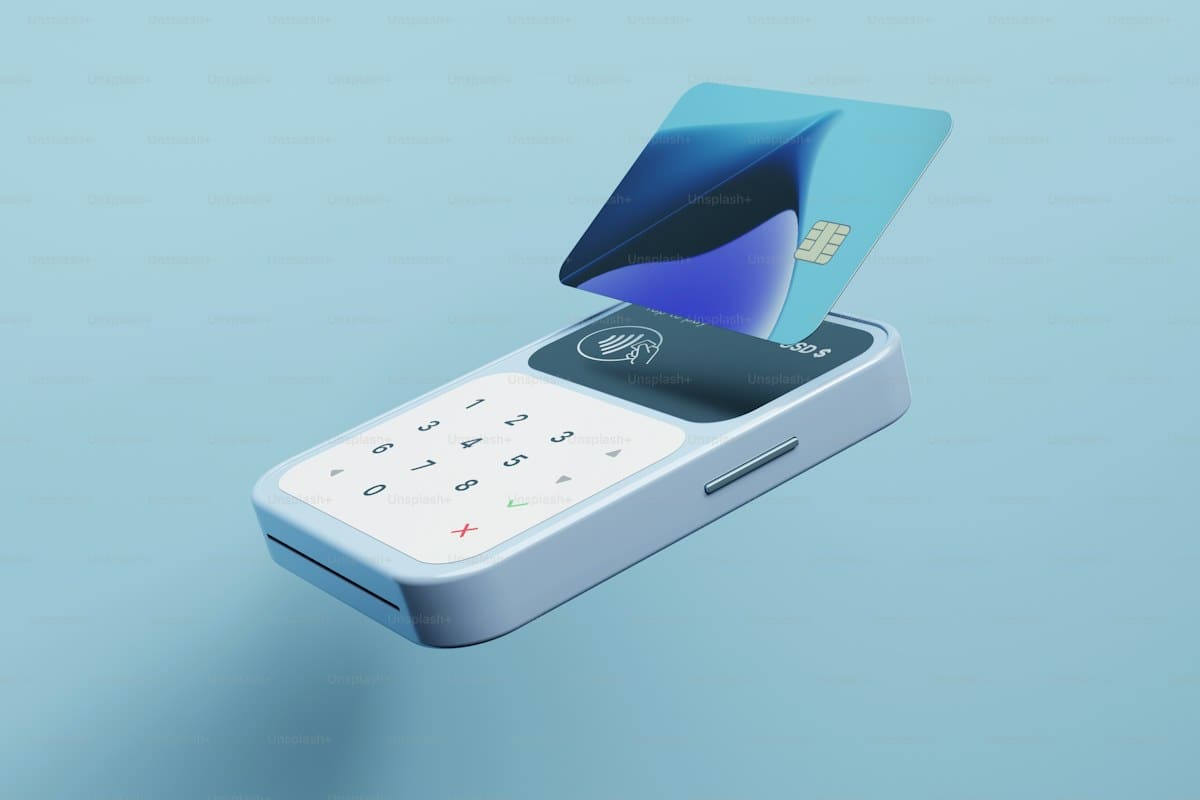
Crypto wallets explained in one sentence: a wallet does not store your coins, it stores the private keys that prove you are allowed to move them. The coins themselves are entries on a blockchain. Whoever controls the key controls the entry, which is why losing a key, or giving it away, is final.
Most wallet confusion comes from treating a wallet like a bank account or a physical purse. It is neither. This guide covers the two choices that matter most, hot versus cold and custodial versus self-custody, then walks through seed phrases, hardware wallets and the backup mistakes that cost people the most.
Crypto wallets explained: what a wallet actually holds
Every wallet manages three related things.
A private key. A very large secret number. It signs transactions, proving you authorized them. Anyone with this number can spend the funds.
A public key. Mathematically derived from the private key. It can be shared without revealing the private key.
An address. A shorter string derived from the public key. This is what you give people so they can send you funds, like an account number you are happy to publish.
The relationship only goes one way. It is easy to go from private key to address, and practically impossible to go backwards. That is what makes it safe to share an address and dangerous to share anything else.
Modern wallets do not make you handle raw private keys. They generate a seed phrase, a list of ordinary words, and derive every key and address from it. Back up the phrase once and you have backed up every account the wallet will ever create.
Custodial vs self-custody wallets
The first question is not which app to download. It is who holds the keys.
| Custodial | Self-custody (non-custodial) | |
|---|---|---|
| Who holds the keys | A company, such as an exchange | You |
| Forgot your password | Reset through support | No reset; the seed phrase is the only backup |
| If the company fails or freezes withdrawals | Your access is at risk | Unaffected |
| If you are phished for your seed phrase | Usually not applicable | Funds can be drained immediately |
| Typical use | Trading, small balances, beginners | Long-term holding, using on-chain apps |
With a custodial wallet, what you see is a balance the company owes you. You are trusting its security, its honesty and its solvency. Several large platforms have failed or frozen withdrawals over the years, and customers in those cases became creditors waiting in line.
With self-custody, the company risk disappears and all of the responsibility moves to you. There is no help desk. A mistake, a lost phrase or a convincing scam is usually unrecoverable.
Neither is automatically correct. Many people use both: a custodial account to buy and sell, and a self-custody wallet for amounts they intend to hold. The important thing is knowing which one you are using at any moment.
Hot wallets vs cold wallets
The second question is whether the keys ever touch an internet-connected device.
Hot wallets keep keys on a phone, computer or browser extension. They are free, fast and necessary for using decentralized apps. They are also exposed to whatever else runs on that device: malware, malicious browser extensions, clipboard hijackers that swap a pasted address, and fake sites that trick you into signing something harmful.
Cold wallets keep keys on a device that stays offline. The most common form is a hardware wallet. A paper backup of a seed phrase is also cold storage in the sense that it cannot be hacked remotely, though it can be lost, burned or found.
A useful way to think about it is a checking account and a safe. You keep some money in your pocket for daily use and accept the risk. You keep the rest somewhere slower to reach.
A simple split, worked through
Suppose you hold the equivalent of $5,000 in crypto and use some of it with on-chain apps every month. One reasonable structure:
- Hot wallet: $300, enough for a month of activity. If the phone is compromised, the worst case is $300.
- Cold wallet: $4,700, touched a few times a year.
The arithmetic: $5,000 − $300 = $4,700, so 94% of the balance is never exposed to the device you browse the web on. You can tune the numbers, but the principle holds: size the hot wallet to the loss you could live with.
How seed phrases work
Most wallets follow a widely used standard, known as BIP39, that turns randomness into a list of 12 or 24 words drawn from a fixed list of 2,048 English words.
Why is a list of common words secure? Because of how many combinations exist. Each word is one of 2,048 options. For a 12-word phrase that is 2,048 multiplied by itself 12 times, which equals 2 to the power of 132. Part of that is a built-in checksum, leaving 128 bits of real randomness. For comparison, guessing a 128-bit secret by brute force is far beyond any computer that exists. A 24-word phrase carries 256 bits.
The security does not come from the words being obscure. It comes from the order and the randomness. That has two consequences:
- Never pick your own words. Let the wallet generate them. A phrase chosen by a human is much weaker.
- The phrase is the wallet. Anyone who sees it can restore your wallet on their own device and move everything, without needing your hardware, PIN or password.
Some wallets also support an optional passphrase, sometimes called a “25th word.” It creates a completely separate set of accounts from the same seed. It adds protection if the seed is found, but if you forget the passphrase, those accounts are as lost as if you had lost the seed.
Hardware wallets: what they do and do not protect
A hardware wallet is a small dedicated device that generates and stores keys and never lets them leave. When you want to send funds, your computer prepares the transaction, the device displays the details on its own screen, you confirm with a button, and the device returns only the signature.
What it protects against:
- Malware on your computer stealing your keys.
- A remote attacker signing transactions without your physical approval.
- Address-swapping malware, as long as you check the address on the device screen rather than the computer screen.
What it does not protect against:
- Approving a malicious transaction yourself. If a fake site asks you to sign an approval and you confirm it on the device, the device will do exactly that.
- Someone finding your written seed phrase.
- A tampered device. Buy directly from the manufacturer or an authorized reseller, never second-hand, and never use a device that arrives with a seed phrase already printed or filled in.
That last point catches people every year. A legitimate hardware wallet always generates a fresh phrase during setup. If a phrase came in the box, the seller already has it.
Backing up a wallet without creating new risks
A good backup has to survive accidents and stay out of other people’s hands. Those goals pull in opposite directions, so it is worth being deliberate.
Do:
- Write the phrase by hand, in order, and check every word against the device or app.
- Store it somewhere protected from fire and water. Metal backup plates exist for this reason.
- Keep it somewhere you control, and consider a second copy in a separate secure location.
- Do a test restore with a small amount before relying on the wallet for large sums.
- Leave instructions for a trusted person about where your backups are, without writing the phrase into a will that may become public.
Do not:
- Photograph it, screenshot it, or store it in email, cloud drives, password-reset notes or chat apps.
- Type it into any website, form or “wallet validation” tool.
- Split it into halves stored in different places, which can weaken it if one half is found.
Common wallet scams to watch for
Most stolen crypto is not taken by breaking cryptography. It is taken by persuading the owner to hand over access. The most common wallet-related tricks:
- Fake support. Someone replies to your public complaint offering help, then asks for your seed phrase. Real support never needs it.
- Fake wallet apps in app stores or search ads that look like real ones and send your phrase to the scammer.
- “Sync” or “validate your wallet” sites that ask you to enter the phrase.
- Malicious approvals that let a contract spend your tokens later.
Our guide on how to spot crypto scams goes through each pattern and the checks that stop them. For a list of wallet types with neutral descriptions, the ethereum.org wallets page is a useful primary reference.
Choosing your setup
Bring it together with three questions:
- How much are you holding? Small balances can live in a reputable custodial account or a hot wallet. Larger, long-term balances justify cold storage.
- How often do you transact? Frequent on-chain activity needs a hot wallet. Long-term holding does not.
- Can you reliably keep a secret backup for years? If not, self-custody may add more risk than it removes.
If you are new to how the underlying networks work, read what is bitcoin first, then browse the learn hub for the rest of the basics.
Crypto wallets explained, in the end, come down to one rule: protect the seed phrase like it is the money, because it is.
This article is for educational purposes only and is not financial advice. be1crypto.com is an independent publication and is not a trading platform.
Frequently asked questions
What is the difference between a hot wallet and a cold wallet?
A hot wallet keeps its private keys on a device connected to the internet, such as a phone app or browser extension. It is convenient for frequent use but exposed to malware and phishing. A cold wallet keeps keys offline, usually on a dedicated hardware device, and only signs transactions you confirm on its own screen. Cold storage is slower to use but much harder to compromise remotely.
What happens if I lose my hardware wallet?
If you still have your recovery phrase, nothing is lost. The coins live on the blockchain, not on the device. Buy a new device or install compatible wallet software, enter the phrase, and your accounts reappear. If you lose both the device and the phrase, the funds are effectively gone for good, which is why the backup matters more than the hardware itself.
Should I ever share my seed phrase?
No, never, with anyone. No legitimate wallet maker, exchange, support agent or app will ask for it. Anyone who has the phrase can move every coin it controls, from anywhere, without your knowledge. Do not type it into websites, store it in photos, email or cloud notes, or read it aloud on a call. A request for your seed phrase is a scam.
Is it safer to keep crypto on an exchange or in my own wallet?
It depends on which risk worries you more. On an exchange you rely on the company's security and solvency, and withdrawals can be frozen. In your own wallet you remove that company risk but take on full responsibility for backups and for avoiding scams. Many people keep small trading balances on a platform and move longer-term holdings to self-custody.
Keep reading
-
 Guides Best Crypto Trading Platform With Lowest Fees: The Honest Math Zero commission is usually the most expensive way to buy crypto, and the math that proves it takes about ninety seconds to follow.
-
 Guides The Best Investment Platform for Cryptocurrency: An Eight-Point Checklist Holding crypto for years needs a different checklist than trading it, and custody quality outranks every fee table you will read.
-
 Guides What a Trade Platform for Cryptocurrency Actually Is (And How to Pick One) Four platform types, one honest comparison: what separates a venue that fills your order cleanly from one that quietly costs more than its fee schedule admits.
New to crypto? Start with the basics
Be1Crypto.com explains Bitcoin, Ethereum, wallets and market structure in plain English, so you can make your own decisions with your eyes open.