Is Crypto a Trading Platform? What the Word Actually Means
Crypto is what you buy. A platform is where you buy it. Getting that distinction right is the first defense against losing money to a clone site.
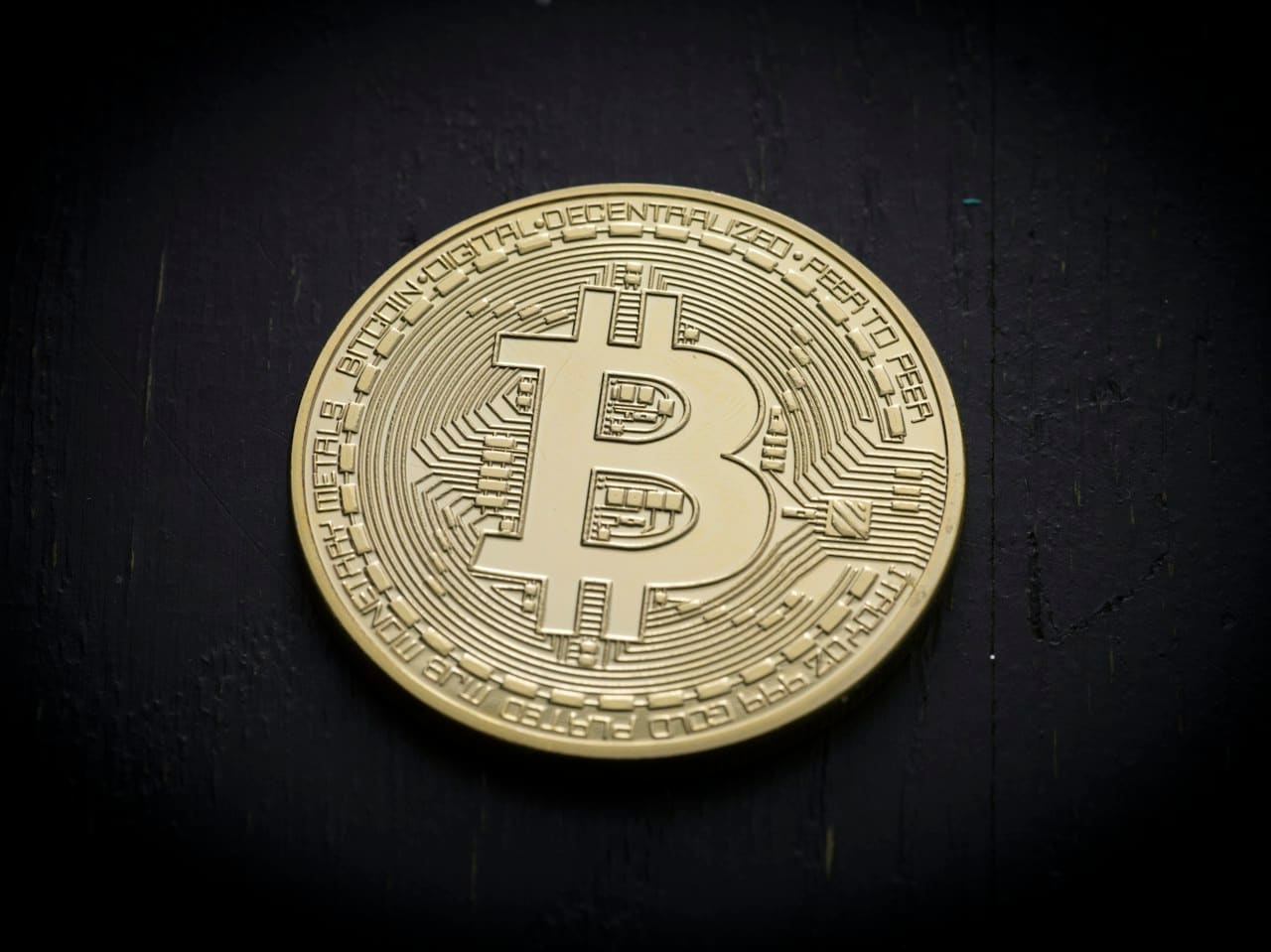
Is crypto a trading platform? No. Crypto is an asset class, which means it is the thing being traded. A trading platform is a separate business you open an account with to buy, sell, hold, or earn interest on that asset. Asking whether crypto is a trading platform is a little like asking whether gold is a jewelry store: one is the material, the other is the shop.
That sounds pedantic. It is not. This exact confusion is what puts people on a fake website with a real-looking chart, and it is why a beginner cannot tell whether the service they just joined holds their money, quotes their price, or does neither.
Is crypto a trading platform, or the thing that sits on one?
Split it into three layers and the answer becomes obvious.
Layer one is the asset. Bitcoin, ether, and thousands of other tokens are entries on a distributed ledger. They exist whether or not any company is open for business.
Layer two is the venue. A trading platform is a private company running matching software, fiat payment rails, a custody system, and a compliance function. be1crypto.com is one of these, and so is every name you have heard of.
Layer three is the interface. The app, the website, the API. It is the only layer most people ever touch, which is why it absorbs the name of everything underneath it.
Crypto is what you own. A platform is what your access depends on. When a platform fails, the asset on the ledger is untouched; what fails is your ability to reach it. That is why custody questions matter more than fee questions.
What a cryptocurrency actually is
A cryptocurrency is a bearer digital asset recorded on a distributed ledger.
Take that apart. Bearer means control equals ownership: whoever holds the private key can move the coins, with no registrar to appeal to and no way to reverse a transfer. Digital asset means there is no certificate, only a balance tied to an address. Distributed ledger means thousands of independent computers keep the record under the same rules, so no single party can edit history or print extra units.
The original design is set out in nine pages in the Bitcoin white paper, worth reading once even if parts go past you. Later networks such as Ethereum added programmability on top of the same idea.
What a cryptocurrency is not: a company, a deposit, or a claim on anyone. No issuer stands behind bitcoin with a balance sheet. That is the feature and the risk in one breath. Prices are whatever the next buyer will pay.
The four different things people mean by “crypto”
Most arguments about this word are four conversations wearing one costume.
| Meaning | How it sounds in a sentence | What is actually meant |
|---|---|---|
| The asset class | “I keep 5% of my savings in crypto” | A category of digital bearer assets, used the way someone says “equities” |
| One specific coin | “Crypto is up 3% today” | Almost always bitcoin or ether, standing in for the whole market |
| The industry | “She works in crypto” | Exchanges, custodians, protocol teams, auditors, analytics firms |
| The app on a phone | “I bought some on crypto” | A trading platform whose brand name the speaker has forgotten |
Only the fourth meaning is a platform, and it is the one doing damage. Someone who believes the app is crypto has no mental slot for the question: which company is holding my money right now? That has an answer, and you are entitled to it.
Exchange, broker, wallet, DEX, custodian, market maker
Here is the vocabulary in one table. The third column matters most: misunderstandings come from expecting a service to do something it was never built to do.
| Role | What it does | What it does NOT do | Holds your money? |
|---|---|---|---|
| Centralized exchange | Matches your order against other users in a shared order book | Advise you, promise a price, or shield you from market losses | Yes, while funds sit on the platform |
| Broker / instant buy | Quotes one all-in price and fills you immediately | Show a public book or let you set a limit price | Yes, usually |
| Wallet | Stores the private keys that control coins on a blockchain | Find a counterparty or match a trade | No. It holds keys, not a balance owed to you |
| Decentralized exchange | Swaps tokens on-chain against a pool your wallet signs into | Take custody, run identity checks, or offer recourse | No |
| Custodian | Safeguards assets under contract with cold storage and withdrawal controls | Decide what you buy, or when | Yes. That is the entire job |
| Market maker | Posts continuous bids and offers so there is something to trade against | Trade on your behalf or manage your account | No. It holds its own inventory |
Two things people get wrong constantly:
- An exchange is not a bank. Your balance is a liability of that company, not an insured deposit. Deposit insurance and the SIPC coverage that applies to securities brokerages do not extend to crypto.
- A wallet is not an account. Losing the recovery phrase is final. There is no password reset, because there is no company on the other end of the request.
be1crypto.com sits in two of those rows at once: a spot order book on the trade page, and a one-tap instant buy for people not ready to think about order types. Both run on the custody system described on our security page.
Why “is crypto a trading platform” is a dangerous question to get wrong
Someone who thinks crypto and platform are the same word searches for the asset and signs up with whatever venue appears. That is exactly the behavior fraud is built around.
The pattern: a site clones the design of a well-known exchange, buys ads against generic terms, shows a balance that climbs, and pays out one small withdrawal to build confidence. The larger withdrawal is blocked behind a tax, a verification fee, or an upgrade. None of the money was ever traded. The alerts at investor.gov document this in detail.
Vocabulary is the defense, because the right words produce the right questions:
- What legal entity is behind this site, and where is it registered?
- Is it registered with FinCEN as a money services business, and can I confirm that myself rather than trusting a badge on a homepage?
- Who holds the assets, and what has to happen before a withdrawal is approved?
- Is there a published fee schedule and a real order book I can inspect before funding?
A registration is a registration. be1crypto.com is registered with FinCEN as a Money Services Business and completes SOC 2 Type II audits. Neither is an endorsement, a guarantee, or permission to give you advice. Any platform presenting a filing as a seal of approval is telling you something about itself. Our walkthrough on how to verify a platform yourself runs the checks in order.
How an order actually reaches the market
A market buy on a centralized platform goes like this.
- You submit. The app sends an instruction: asset, side, size, order type.
- Risk checks run. The platform confirms your balance and internal limits. Most rejected orders die here.
- The matching engine takes it. Your order meets the order book, the list of every resting bid and offer. A market order crosses the spread and fills at the best available prices; a limit order joins the book and waits. Median match latency at be1crypto.com is under 900 microseconds, on 99.98% API uptime over twelve months.
- Fills come back. A large order may fill in pieces at several prices. Your average is the weighted blend, which is why depth matters.
- The internal ledger updates. Cash balance down, crypto balance up. Nothing has touched a blockchain yet, which is precisely how the fill can be instant.
- Settlement happens on withdrawal. When you move coins out, the platform signs an on-chain transaction from its reserves, and only then does the public ledger record anything.
Step five surprises people. Trading on an exchange is not buying on the blockchain. It is trading a claim inside one company’s database until you withdraw. Not a scandal, just how fast venues work, but know which model you are in.
What you need before you can trade anything
Four things, in order. Skipping the fourth is how beginners lose money in ways they never signed up for.
An account. Email, password, and two-factor authentication through an authenticator app rather than SMS. Phone-number takeovers remain one of the most common account compromises.
Verification. Identity checks are a legal requirement for a registered money services business, not an upsell. The KYC process usually means a government ID and a selfie, and often clears in minutes.
Funding. Move fiat in. The method you pick costs more than the trade itself, which is the most useful arithmetic in this article.
An understanding of the risk. Crypto is volatile, drawdowns of 70% or more have happened repeatedly, and nobody, us included, can tell you where a price is going. If the money has a job in the next two years, it does not belong here.
A worked example: the same $1,000 purchase, two routes
Entry-tier spot fees at be1crypto.com are 0.10% maker and 0.20% taker. Instant buy carries a disclosed 0.5% spread instead. ACH deposits are free; card deposits cost 1.49%.
| Step | ACH deposit plus spot market order | Card deposit plus instant buy |
|---|---|---|
| Funding fee | $0.00 | $14.90, being 1.49% of $1,000 |
| Available to trade | $1,000.00 | $985.10 |
| Trading cost | $2.00, being 0.20% of $1,000 | $4.93, being 0.5% of $985.10 |
| Bitcoin received | $998.00 | $980.17 |
| Total cost | $2.00, or 0.20% | $19.83, or 1.98% |
The arithmetic: a card deposit of $1,000 costs $1,000 × 0.0149 = $14.90, leaving $985.10. The spread takes $985.10 × 0.005 = $4.93, leaving $980.17 in bitcoin. The ACH route pays nothing to deposit and $1,000 × 0.002 = $2.00 to trade, leaving $998.00. The gap is $998.00 − $980.17 = $17.83 on an identical purchase of an identical asset.
That $17.83 bought a deposit that cleared in seconds instead of a day, and no homework on order types. Sometimes that is worth it. Just make the trade knowingly. Full schedules, including top-tier 0.00% maker and 0.04% taker rates, the $15 wire fee, and at-cost crypto withdrawals, are on the fees page.
Choosing your first platform
Now that the words mean something, the choice gets easier. Five things, roughly in this order.
- Custody you can inspect. At be1crypto.com, 95% of customer assets sit in geographically distributed cold storage and every withdrawal needs a 3-of-5 MPC signing quorum, so no single compromised key releases funds.
- Depth in the assets you want. A platform listing 250+ assets does not help you if the two you actually want have thin books. Check the markets page and cross-reference volumes against CoinGecko.
- A complete published fee schedule. Deposits, withdrawals, spreads, and the tier ladder, all visible before you sign up.
- Real rails to and from your bank. Free ACH and SEPA beat a low headline trading fee at small sizes, because deposit costs dwarf trading costs there.
- Fit with what you are doing. Buying monthly and holding is a different job from trading daily, and both differ from parking an idle balance in an earn account.
When be1crypto.com is not the right choice
If you want stocks, ETFs, or tokenized equities alongside crypto in one account, we are not it. be1crypto.com is crypto only, and a combined venue will serve you better; we compare the structures in platforms for stocks and crypto. If you want long-tail tokens no regulated venue lists, a decentralized exchange is your only path, with everything that implies about support and recourse.
What to do next
Crypto is the asset. The platform is the venue. The wallet is the key store. The custodian holds the assets while you are not looking. Keeping those four straight is cheap insurance.
Then, before depositing anything:
- Read a fee schedule end to end, deposits and withdrawals included, not just the trading line.
- Verify the operating entity against a public registry rather than trusting a logo.
- Decide in advance how much you are willing to lose in full, and fund only that.
Our guide to what a crypto trade platform is goes deeper on architectures and order types, how it works walks from deposit to first fill, and the blog index has the rest of the series.
Nothing here is investment advice, and no platform, this one included, can make crypto safe or predictable. What a good platform can do is charge you honestly, hold assets carefully, and fill your orders cleanly. That is the whole job.
Frequently asked questions
Is crypto a trading platform?
No. Crypto is an asset class, meaning a category of digital bearer assets recorded on a distributed ledger. A trading platform is a separate company that runs the software where those assets are bought and sold. You cannot trade crypto without a platform, and the platform is not crypto, in the same way a stock is not a brokerage.
What is the difference between a crypto exchange and a crypto wallet?
An exchange matches your buy or sell order against other users and usually holds your funds while they sit on the platform. A wallet stores the private keys that control coins on a blockchain and does not find you a counterparty or set a price. Many people use both: an exchange to trade, a wallet to hold long term.
Do I need a platform to buy cryptocurrency?
In practice, yes. You need somewhere to convert dollars or euros into crypto, and that is either a centralized exchange, a broker app, or a peer-to-peer venue. A decentralized exchange can swap one token for another but cannot take a bank transfer, so your first purchase almost always starts at a platform with fiat rails.
Why do people call an exchange app crypto?
Because the app is the only part of the system they ever see. The ledger, the matching engine, and the custodian are invisible, so the brand name on the phone becomes shorthand for the whole category. It is harmless in conversation and risky in a search bar, where it leads people to clone sites that imitate a real platform.
Keep reading
-
 Guides What a Blockchain Based Trading Platform Really Is (On-Chain vs Off-Chain) Every fill is a transaction, or none of them are. The difference decides what you pay, who holds your keys, and how fast a trade is final.
 -
 Guides What a Trade Platform for Cryptocurrency Actually Is (And How to Pick One) Four platform types, one honest comparison: what separates a venue that fills your order cleanly from one that quietly costs more than its fee schedule admits.
 -
 Fees & Costs Best Crypto Trading Platform With Lowest Fees: The Honest Math Zero commission is usually the most expensive way to buy crypto, and the math that proves it takes about ninety seconds to follow.
Start trading on be1crypto.com today
Open an account in under five minutes, verify once, and get access to 250+ markets with fees from 0.10%.